
In a world where attention spans are shorter than ever, one app has captured billions of hearts and minds with its endless scroll of creativity, humor, and trends. TikTok isn’t just a platform—it’s a cultural force that’s reshaping entertainment, marketing, and even politics. As we step into 2026, TikTok continues to dominate social media, boasting innovative features and a massive user base. Whether you’re downloading the TikTok app for the first time or exploring its business side, this guide breaks down everything from its origins to its future challenges.
Understanding TikTok
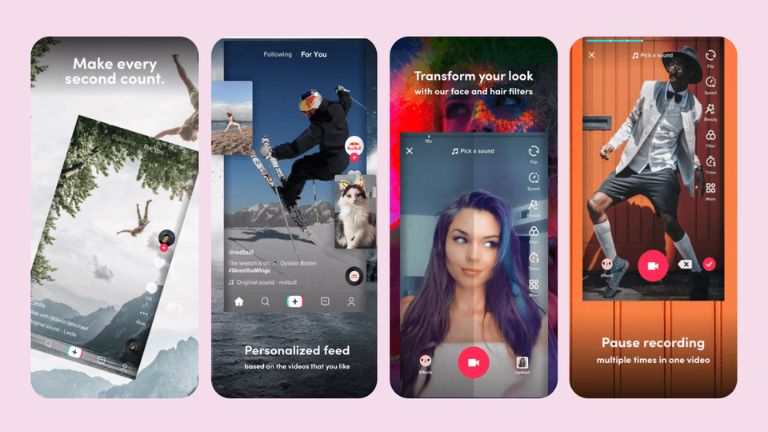
At its core, TikTok is a short-form video app that lets users create, share, and discover content ranging from dance challenges to educational tips. What sets the TikTok application apart is its powerful algorithm, which curates a personalized “For You” page based on your interactions. This makes it incredibly addictive—users often find themselves lost in a sea of videos tailored just for them.
Beyond fun, TikTok has evolved into a tool for self-expression and community building. Creators use it to showcase talents, while brands leverage it for viral marketing. If you’re new, starting with the TikTok app download is simple: head to your device’s app store, search for “TikTok,” and install. For a lighter version, try TikTok Lite, which uses less data and storage—perfect for users in areas with slower internet.
TikTok’s Launch
TikTok traces its roots back to 2016 when ByteDance, a Chinese tech company, launched Douyin in China. The international version, TikTok, debuted in 2017 and quickly gained traction after merging with Musical.ly in 2018. This move expanded its reach, blending lip-syncing features with broader creative tools.
By 2019, TikTok had exploded globally, thanks to its easy-to-use interface and viral challenges. Fast-forward to 2026, and it’s no longer just an app—it’s a ecosystem with features like live streaming, shopping, and even TikTok counter tools to track real-time views and likes.
TikTok’s Business Model
TikTok’s revenue engine is multifaceted, but advertising remains king. Brands pay for in-feed ads, branded effects, and hashtag challenges to reach targeted audiences. In 2026, global ad revenue is projected to hit around $35 billion, driven by sophisticated targeting and high engagement rates.
However, the real game-changer is TikTok Shop, which integrates e-commerce directly into the app. Users can buy products featured in videos without leaving the platform, turning scrolls into sales. This social commerce model is booming, with sales expected to surpass $20 billion this year. For businesses, this means opportunities to partner with creators for affiliate marketing, boosting visibility and conversions.
Monetization for users includes the Creator Fund, live gifts, and brand deals, making it a viable income source for influencers.
TikTok’s User Base
TikTok’s growth is staggering. As of 2026, it boasts over 1.6 billion monthly active users worldwide, with projections to reach 1.9 billion by year’s end. The U.S. alone has around 150 million users, while Indonesia leads with nearly 130 million.
Demographics skew young: about half are aged 18-34, with a near-even split between males and females. But it’s not just Gen Z—older users are joining for everything from recipes to news. In Asia-Pacific (excluding China), usage is highest, reflecting its roots.
This diverse base makes TikTok a powerhouse for global trends, but it also amplifies concerns about content moderation and privacy.
Key Features and How to Get Started
Getting on TikTok is straightforward. After your TikTok app download, create an account via email, phone, or social login. The TikTok app login is seamless, and you can access it via the TikTok website (tik tok com) for desktop viewing.
Standout features include Duet for collaborating on videos, Stitch for reacting to clips, and effects like green screens. For downloads, options like TikTok APK or TikTok Lite APK are available for Android users seeking alternatives. Beware of mods like TikTok mod APK or TikTok Pro—these can pose security risks, including malware or account bans.
TikTok and Political Controversy
TikTok’s ties to China have sparked ongoing debates. Governments worry about data privacy and potential influence from ByteDance. In the U.S., this led to heated discussions, while other countries cite similar national security risks.
Content controversies, like misinformation during elections, have also drawn scrutiny. TikTok responds with stricter guidelines and fact-checking partnerships, but the platform’s viral nature makes it a double-edged sword.
Uncertain Legal Future in America
The U.S. saga has been dramatic. A 2024 law aimed to ban TikTok unless ByteDance divested U.S. operations, but enforcement was delayed multiple times by executive orders. As of January 2026, a deal is set to close on January 22, spinning off U.S. TikTok into a joint venture with American investors like Oracle holding majority control.
This could stabilize things, but questions linger about algorithm changes and data security. For users, the app remains available, but creators should diversify platforms.
Under Investigation in Europe
Europe isn’t letting up either. The EU has probed TikTok for data transfers to China, transparency in ads, and researcher access to public data. Fines have already hit, like €530 million for GDPR violations.
Investigations focus on protecting minors and combating disinformation, especially around elections. TikTok has committed to better tools, but ongoing scrutiny could lead to more regulations.
What Company Owns TikTok?
ByteDance, founded in 2012 by Chinese entrepreneurs, owns TikTok globally. It’s privately held, with about 60% owned by institutional investors, 20% by founders, and 20% by employees. In the U.S., post-divestiture, a new entity will be majority-owned by American firms, with ByteDance retaining under 20%.
How Do I Invest in TikTok Stock?
TikTok isn’t publicly traded, so direct stock purchase isn’t possible. Indirectly, invest in firms holding ByteDance shares, like KKR (NYSE: KKR) or SoftBank (OTCMKTS: SFTBY). ETFs with social media exposure, such as those tracking tech sectors, offer another route. Post-U.S. divestiture, the new entity might IPO, but no timeline yet.
Is TikTok Banned?
Not in most places, but restrictions exist. India banned it in 2020 over security concerns, and the ban persists. In the U.S., the app avoided a ban through divestiture. Some countries limit it on government devices. Always check local laws—VPNs might bypass, but they’re risky.
TikTok Safety and Best Practices
Safety is a hot topic. TikTok offers family pairing for parental controls and screen time limits. However, concerns about cyberbullying and inappropriate content persist. Use privacy settings, report issues, and avoid sharing personal info.
For downloads, stick to official sources to dodge fakes. TikTok is free, but in-app purchases exist for coins and gifts.
Future Outlook for TikTok
Looking ahead, TikTok is poised for more growth. Expect AI-driven content creation, longer videos, and deeper shopping integration. User numbers could hit 2.3 billion by 2029, with ad spend increasing as brands flock to it. Challenges like regulations will shape it, but its innovation keeps it ahead.
TikTok’s impact on culture, from viral dances to social movements, is undeniable. As it evolves, it remains a must-know platform for anyone online.
FAQ
What is TikTok used for?
TikTok is primarily for creating and watching short videos on topics like music, comedy, education, and trends. It’s a hub for entertainment, learning, and connecting with communities.
Is TikTok safe to use?
TikTok has safety features like content filters and reporting tools, but users should be cautious with personal information. It’s generally safe for adults, but parents should monitor kids’ usage.
How to download the TikTok app?
Search for “TikTok” in the Apple App Store or Google Play Store and install. For alternatives, download TikTok Lite for a lighter version or use the TikTok APK from trusted sites.
What is TikTok Lite?
TikTok Lite is a streamlined version of the app designed for low-data usage and older devices. It offers core features like video watching but with fewer bells and whistles—ideal for TikTok Lite download in emerging markets.
Why is TikTok banned in some countries?
Bans often stem from national security, data privacy, or content concerns. India banned it permanently in 2020, while others impose partial restrictions to protect users or local interests.
How does TikTok make money?
Through ads, in-app purchases, and e-commerce via TikTok Shop. Creators earn from tips, sponsorships, and the Creator Fund based on views.
Can I use TikTok online without downloading?
Yes, visit the TikTok website (tik tok com) to browse videos, but full features like uploading require the app.